Bruxism Treatment: Mouthguards and More
Bruxism treatment helps protect growing smiles by reducing grinding or clenching during sleep or times of stress. Left unaddressed, teeth grinding can wear down enamel, strain jaw joints, and cause headaches or facial discomfort. Many parents notice unusual sounds at night or see flattened or chipped teeth in the morning. Understanding options for bruxism treatment allows families and a pediatric dentist to work together to protect a child's teeth and comfort.
Signs a child may need bruxism treatment
Bruxism often occurs during sleep, so children may not realize it is happening. Parents sometimes notice grinding noises coming from the bedroom, especially during the lighter stages of sleep. In the morning, a child may report jaw soreness or popping, headaches, or sensitivity when chewing.
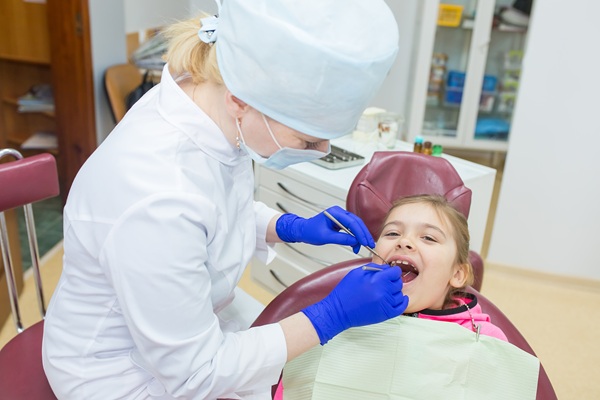
A pediatric dentist may also see signs during a routine exam. Flattened biting surfaces, small chips, cracked enamel, or recession in gum tissue can signal ongoing grinding or clenching. If these signs appear along with jaw clicking, difficulty opening wide, or morning facial tension, bruxism treatment becomes an important topic for discussion.
Custom mouthguards are a key part of care
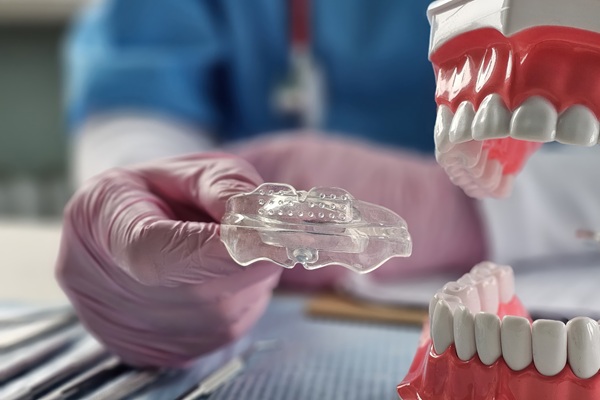
One of the most common tools in bruxism treatment involves a custom mouthguard, sometimes called a nightguard. This appliance fits over the upper or lower teeth and creates a protective barrier between the arches. Instead of tooth-on-tooth contact, the forces from grinding spread across the guard, which reduces wear and the risk of fractures.
Custom guards use impressions or digital scans to closely match the child's teeth, providing a more secure fit than over-the-counter (OTC) options. A good fit supports comfort and increases the likelihood that the child will consistently wear the appliance. Regular follow-up visits allow the dentist to check the guard for wear, adjust the fit, and monitor how the teeth and jaws respond over time.
Beyond mouthguards: Additional bruxism treatment strategies
Effective bruxism treatment focuses on more than just protecting the teeth. Stress, anxiety, and certain habits often contribute to grinding, so addressing these triggers supports long-term improvement. Relaxing bedtime routines, reducing screen time before sleep, and maintaining a consistent sleep schedule encourage deeper, more restful sleep. Further, calming activities such as reading, gentle stretching, or quiet music can also help the body and mind unwind.
During the day, children benefit from learning to avoid clenching their teeth when concentrating, gaming, or studying. A reminder to keep the lips together and teeth apart helps reduce unnecessary tension. In some cases, the pediatric dentist may even refer patients to consult a physician or mental health provider if stress or anxiety plays a significant role.
Monitoring growth, alignment, and airway
Jaw growth, bite alignment, and airway concerns also influence bruxism. Crowded teeth, crossbites, or an uneven bite can increase strain on certain teeth and joints. Further, mouth breathing, enlarged tonsils, or sleep-disordered breathing may also be associated with nighttime grinding. The pediatric dentist evaluates how the upper and lower teeth meet, how the jaws grow, and whether any breathing concerns appear during sleep. When necessary, the dentist may recommend orthodontic evaluation, airway assessment, or collaboration with an ear, nose, and throat specialist.
Schedule an appointment
Early bruxism treatment protects more than just tooth enamel; it also supports comfortable chewing, healthy jaw joints, and better sleep quality. Is your child displaying signs of bruxism? Contact Myriam Cerezo, DMD, Pediatric Dentist to schedule an appointment and get the condition under control before it causes too much damage.
Request an appointment here: https://www.smiling-kids.com or call Myriam Cerezo, DMD, Pediatric Dentist at (215) 867-8243 for an appointment in our Holland office.
Check out what others are saying about our services on Yelp: Read our Yelp reviews.
Related Posts
Infant dental care is important for your baby's oral health and development. When the first teeth come in, good oral hygiene from the start helps them eat well, talk clearly, and feel confident. By starting early with your child's dental care, you set up healthy habits that last a lifetime.Even though baby teeth are temporary,…
Trying to teach your kids about oral hygiene can be tricky, but with a little help from your local children's dentist, you can make the process much easier and have them wanting to keep their teeth healthy on their own. It all starts with knowing how to teach them about oral hygiene and how to…
A baby root canal may sound scary, however, it is nothing to be afraid of. Modern-day dentistry has allowed for the evolution of gentler techniques and safer approaches, thus reducing the risk of complications and pain during the procedure.Baby root canals, in particular, are done differently as they are performed in a pediatric dentistry setting,…
A pediatric dentist can help prevent tooth decay. Early dental checkups will enable the dentist to provide treatments that can make this possible. Your dentist can guide you and your child on how to keep teeth and gums healthy. Here are some effective tips on how to prevent childhood tooth decay straight from a pediatric…